Royal History
The Buganda Kingdom & Its Kabakas
From Ssekabaka Muteesa I to the reigning Kabaka Mutebi II — one continuous royal line, and the kingdom it has led for generations.
🥁 In cultural affiliation with the Buganda Kingdom — home of the Kabaka, the Lukiiko, and the royal clans of Buganda
The Kingdom
A Kingdom Older Than the Nation
The Buganda Kingdom is a traditional monarchy in the central region of present-day Uganda, with Kampala at its cultural heart. It is one of the oldest and largest traditional kingdoms in East Africa, governed by a Kabaka (king) and supported by institutions such as the Lukiiko (parliament), the office of the Katikkiro (Prime Minister), and a system of clans (Emituba) that every Muganda belongs to. Long before it became part of the modern nation of Uganda, Buganda had its own kings, courts, and traditions of governance stretching back for centuries.
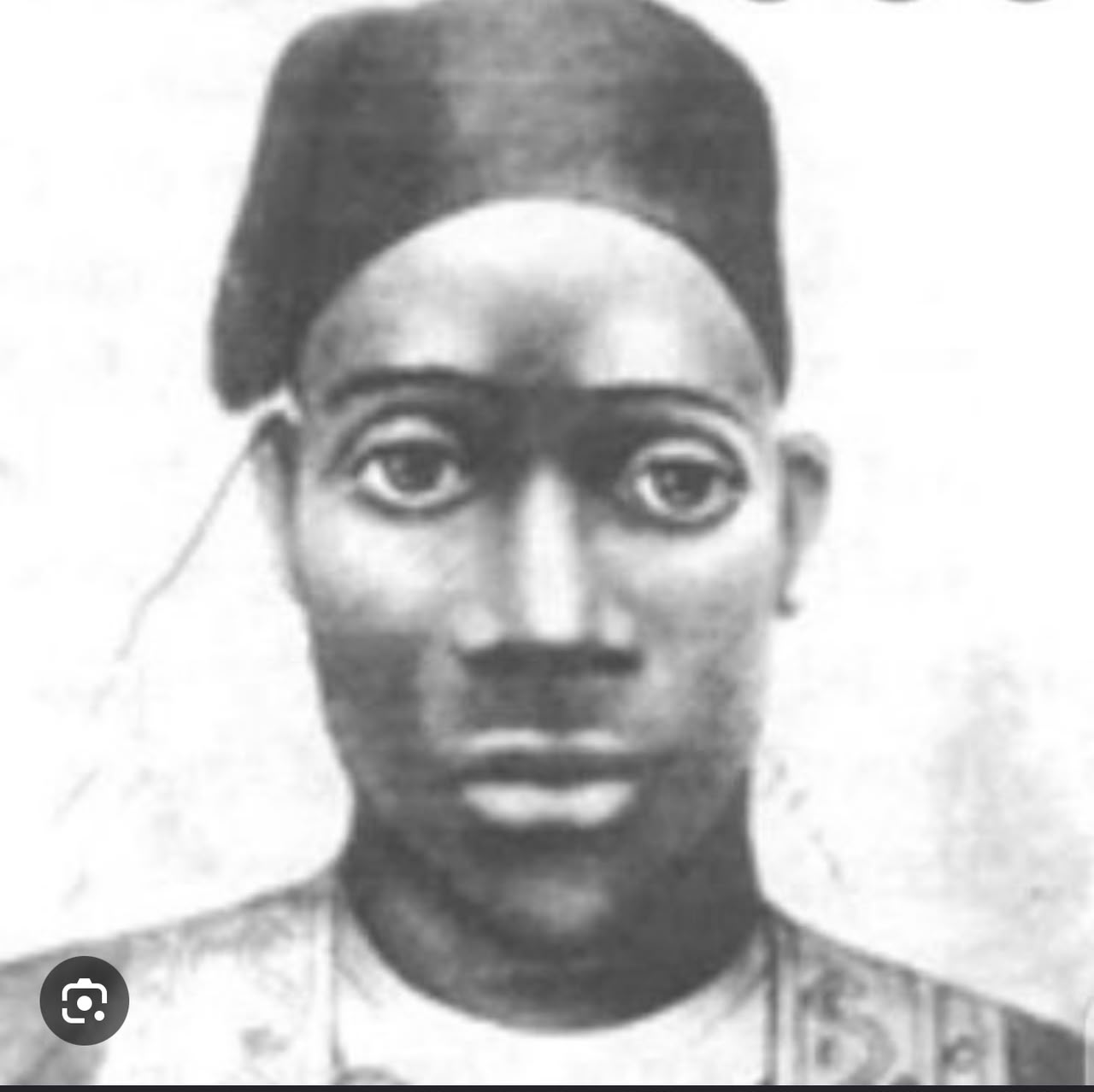
The Muteesa I Foundation Limited exists at the meeting point of this kingdom’s history and one family’s story: the descendants of Ssekabaka Muteesa I, whose reign began in 1856. Since then, the throne has passed through seven Kabakas covered by our seven royal branches — from Muteesa I himself down to the reigning Kabaka today, Ronald Muwenda Mutebi II. Their royal tombs at Kasubi, a UNESCO World Heritage Site, remain a place of pilgrimage and remembrance for descendants across Uganda and the world.
Timeline
From Muteesa I to Mutebi II
Birth of Mukabya Mutesa
Born Mukabya Mutesa — also known as Ssekabaka Luwangula Muteesa I — son of Ssekabaka Ssuuna II, into the royal house of Buganda.
Muteesa I Becomes Kabaka
Ascends to the throne as Kabaka of Buganda following the death of his father, becoming the 35th Kabaka.
Henry Morton Stanley's Visit
The British explorer Henry Morton Stanley visits the Kabaka's court, one of many encounters that opened Buganda to the wider world.
Arrival of CMS Anglican Missionaries
Christian Missionary Society (Anglican) missionaries arrive in Buganda, beginning a new chapter of religious and cultural exchange.
Arrival of Catholic Missionaries
Catholic missionaries follow, and the Kabaka navigates a complex relationship between Islam, Christianity, and traditional Buganda beliefs.
Passing of Ssekabaka Muteesa I
Ssekabaka Muteesa I passes on, and his son Mwanga II ascends to the throne. Muteesa I's legacy — an expanded Buganda and generations of descendants who carry his name — endures through the six royal branches that follow.
The Uganda Martyrs
Under Kabaka Mwanga II, a group of Christian converts at court are executed, an event that became a defining and widely remembered moment in the kingdom's religious history.
Kiweewa and Kalema
Amid conflict between Christian, Muslim, and traditionalist factions, Mwanga II is briefly deposed. His brothers Kiweewa and then Kalema, both sons of Muteesa I, each hold the throne only months before Mwanga II returns in 1889.
British Protectorate
Buganda becomes part of the British Uganda Protectorate, beginning a new and difficult chapter in the kingdom's relationship with colonial authority.
Daudi Chwa II Becomes Kabaka
Following Mwanga II's exile, his infant son Daudi Chwa II is installed as Kabaka under a council of regents.
The Buganda Agreement
A formal agreement between Buganda and the British colonial administration reshapes the kingdom's land tenure and governance for decades to come.
Muteesa II Becomes Kabaka
Sir Edward Muteesa II, son of Daudi Chwa II, ascends to the throne.
Independence and the First Presidency
Uganda gains independence in 1962. Kabaka Muteesa II serves as the country's first President from 1963, before a constitutional crisis with Prime Minister Milton Obote leads to the abolition of Buganda's kingdom status in 1966 and Muteesa II's exile to London, where he dies in 1969.
Restoration Under Mutebi II
The Buganda Kingdom's cultural institution is restored, and Ronald Muwenda Mutebi II, son of Muteesa II, is installed as the 36th Kabaka — the reigning monarch today.
Culture